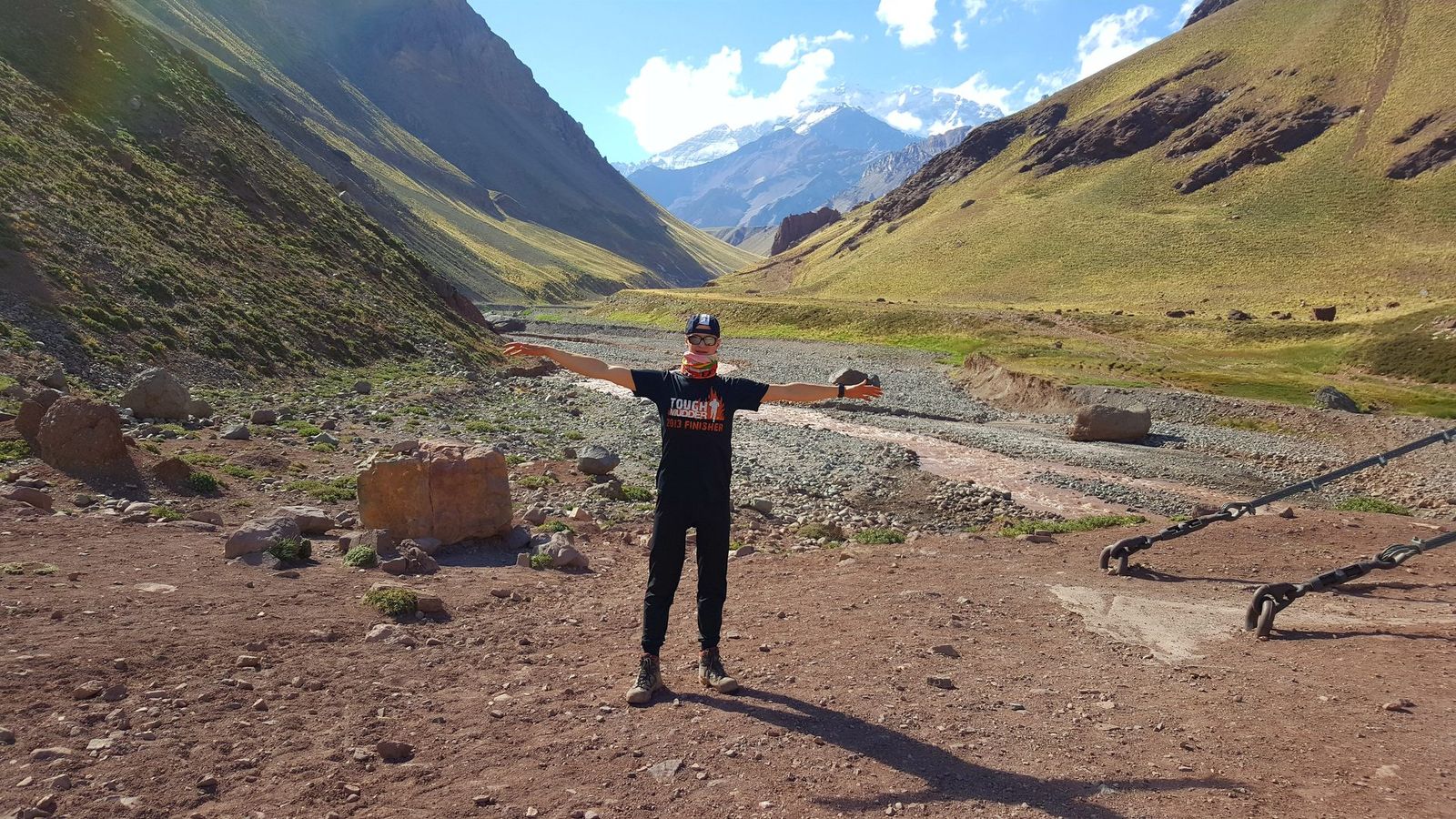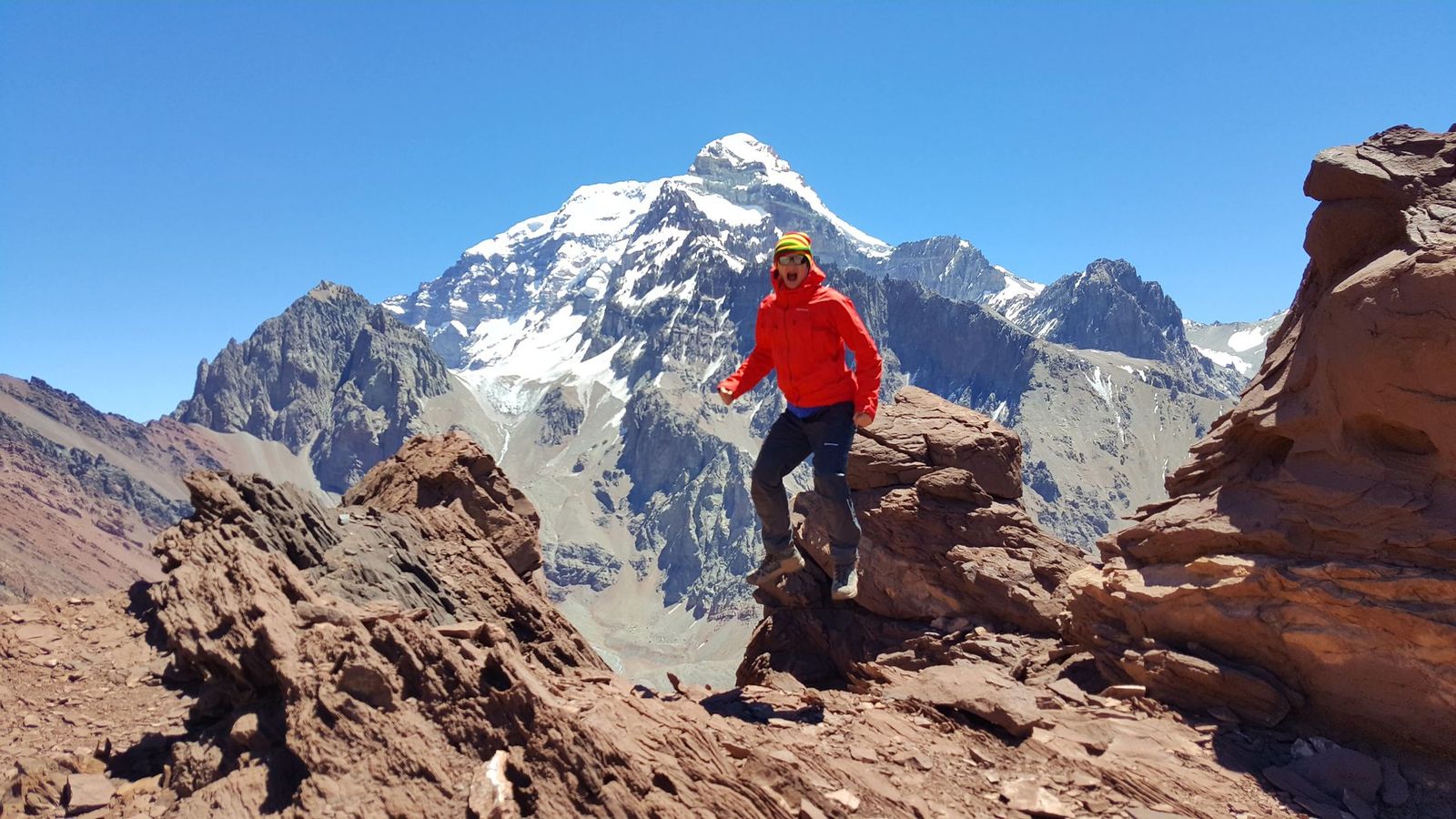
Aconcagua is often described as a non-technical mountain, but altitude makes it one of the most demanding climbs outside the Himalaya.
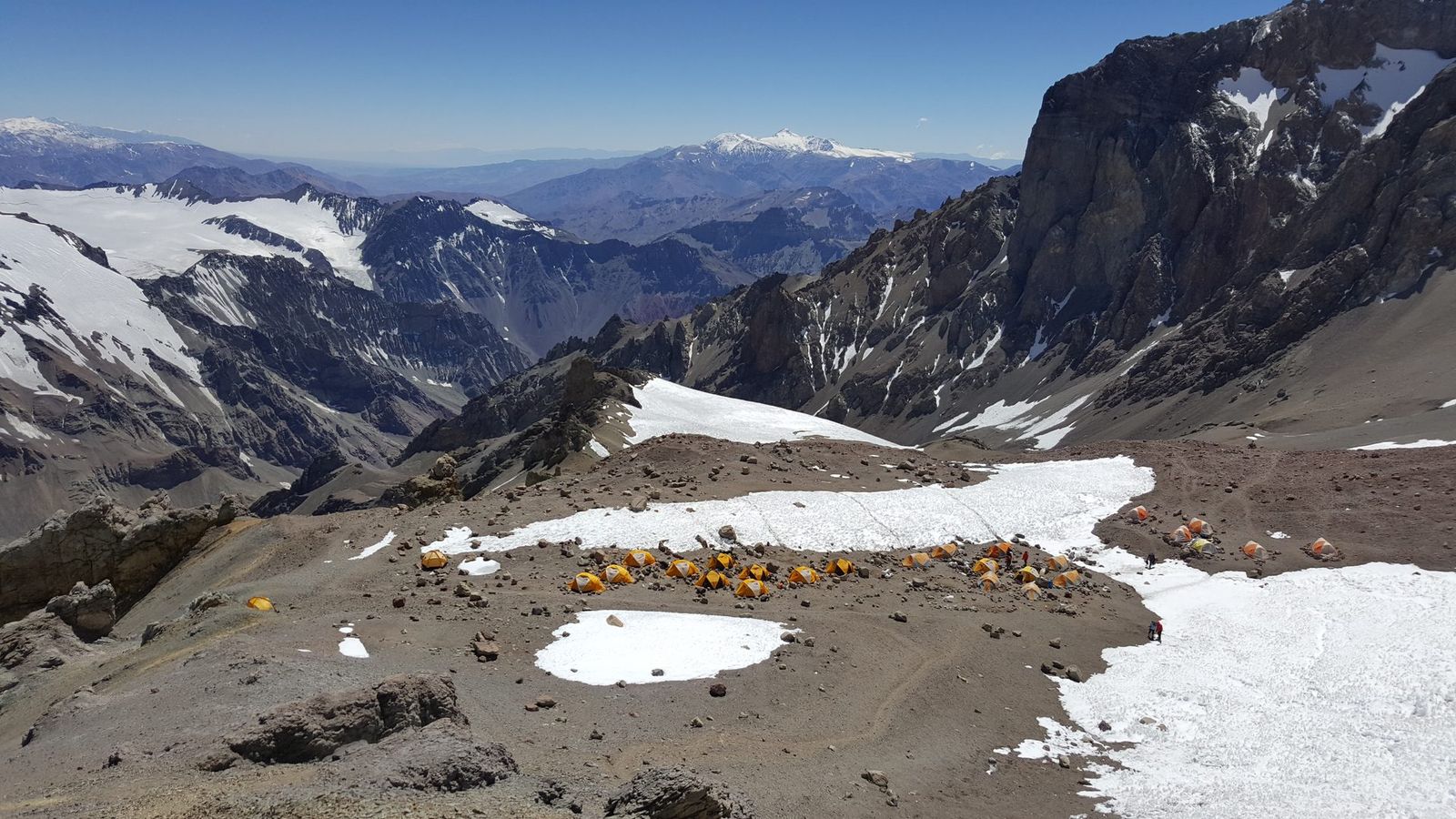
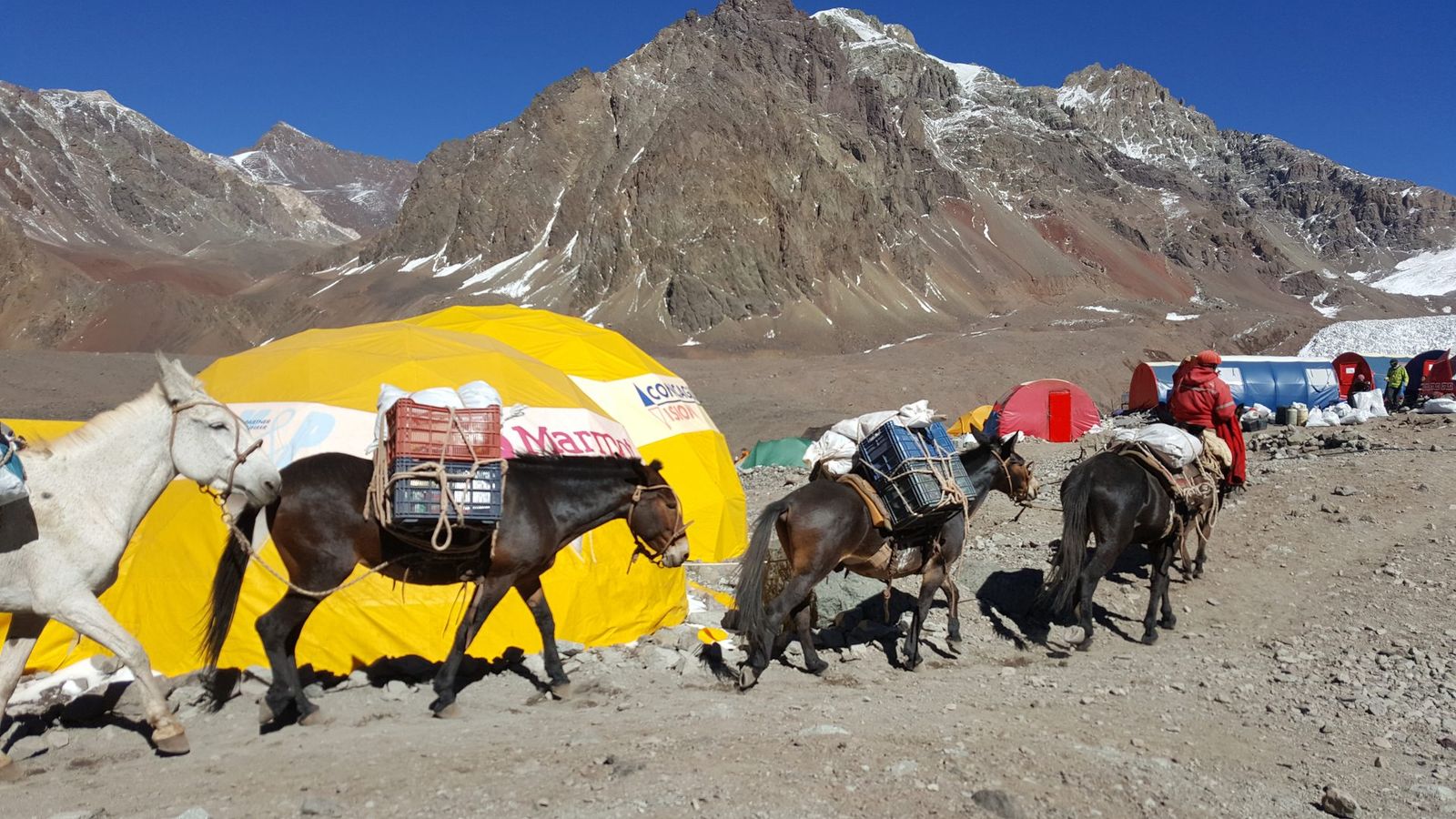
The route via Plaza Argentina involves multiple acclimatization carries between 4,200 m, 5,000 m, 5,500 m and 6,000 m before a summit attempt can begin. Progress becomes slower with each elevation gain as oxygen levels drop and recovery takes longer.
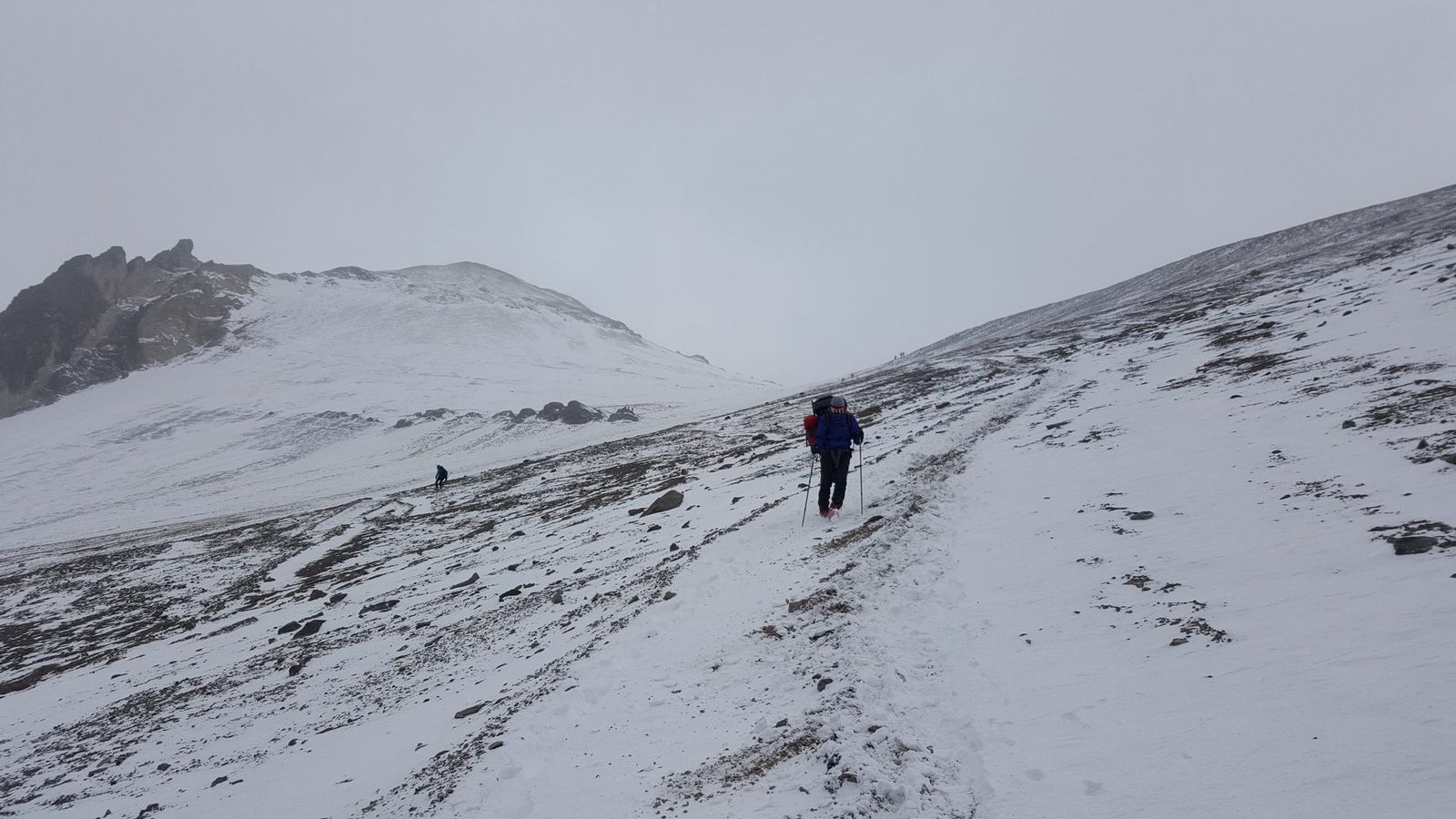
Summit day typically starts before sunrise from Plaza Colera at around 6,000 m. Climbers pass Independencia at 6,400 m before crossing an exposed traverse and entering the Canaleta, the final steep section leading toward the summit ridge.
Above 6,500 m movement slows dramatically. Even short distances require frequent stops for breathing, hydration and pacing.
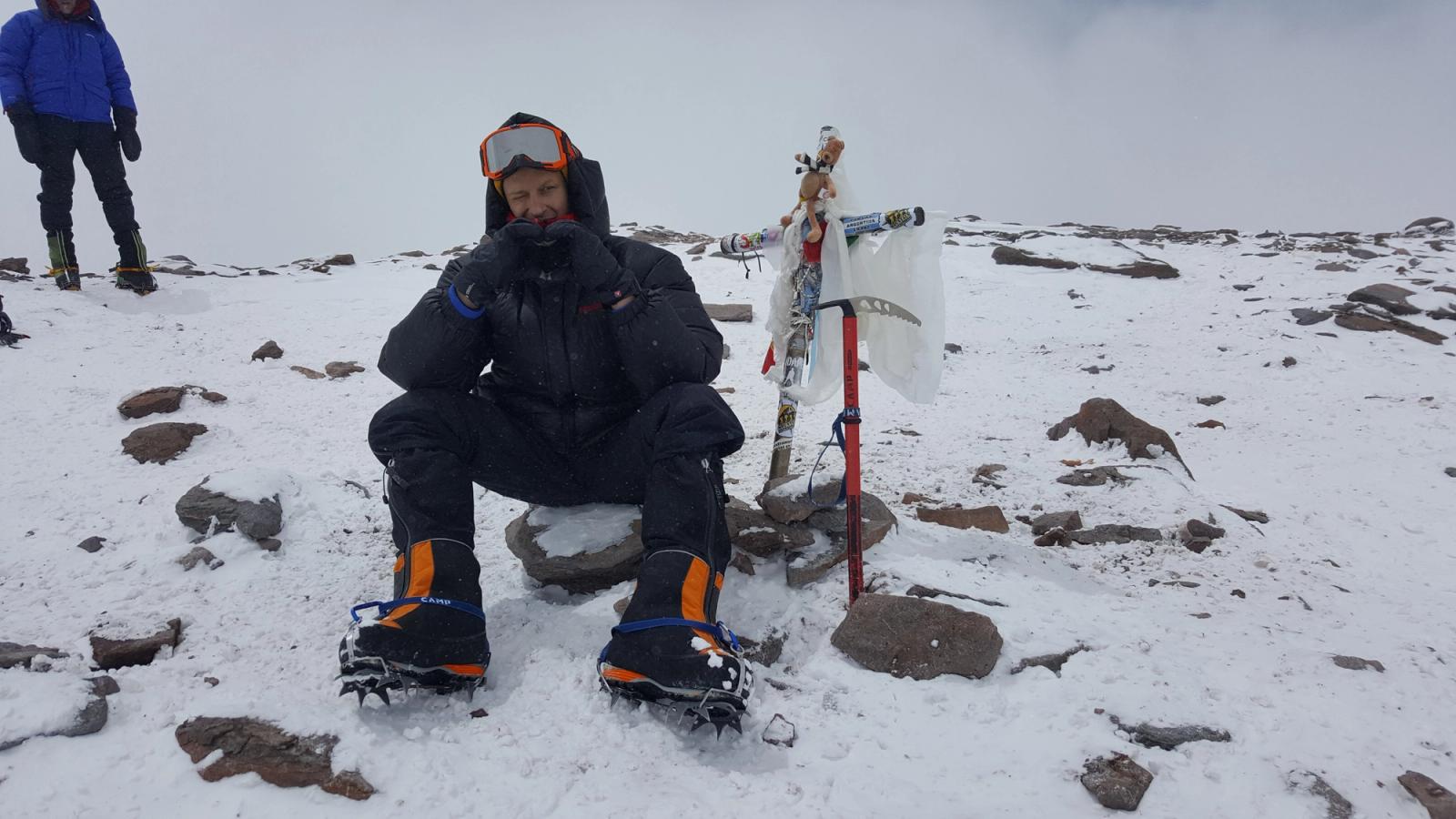
The summit of Aconcagua at 6,962 m marks the highest point in South America and one of the Seven Summits. Weather conditions often change quickly near the top, which limits time spent on the summit to short breaks before descent begins.
Spending multiple nights above 6,000 m is often the most physically demanding part of the expedition and represents the key challenge of the climb.
Gallery